No. Cut-resistant clothing should not replace task-specific PPE, workplace controls, or safe procedures. It can serve as a lightweight protective layer when its verified resistance levels, coverage, fit, and limitations match the work environment.
What role does cut-resistant clothing play?
Cut-resistant clothing is designed to help reduce injury risk from certain sharp-edge hazards. It does not make the wearer invulnerable, and it cannot remove the hazard itself. A sound safety plan begins with avoiding or controlling dangerous contact, then selecting appropriate PPE and protective layers for the remaining risk.
For workers comparing a cut resistant shirt with a vest or other protective garment, the practical questions are coverage, mobility, breathability, and the exact test information stated for that product.
Why a long-sleeve protective layer may be useful
A long-sleeve shirt covers more of the upper body than a sleeveless garment. That can be relevant for industrial workers, warehouse staff, delivery personnel, and security workers whose tasks may expose both the torso and arms to sharp objects.
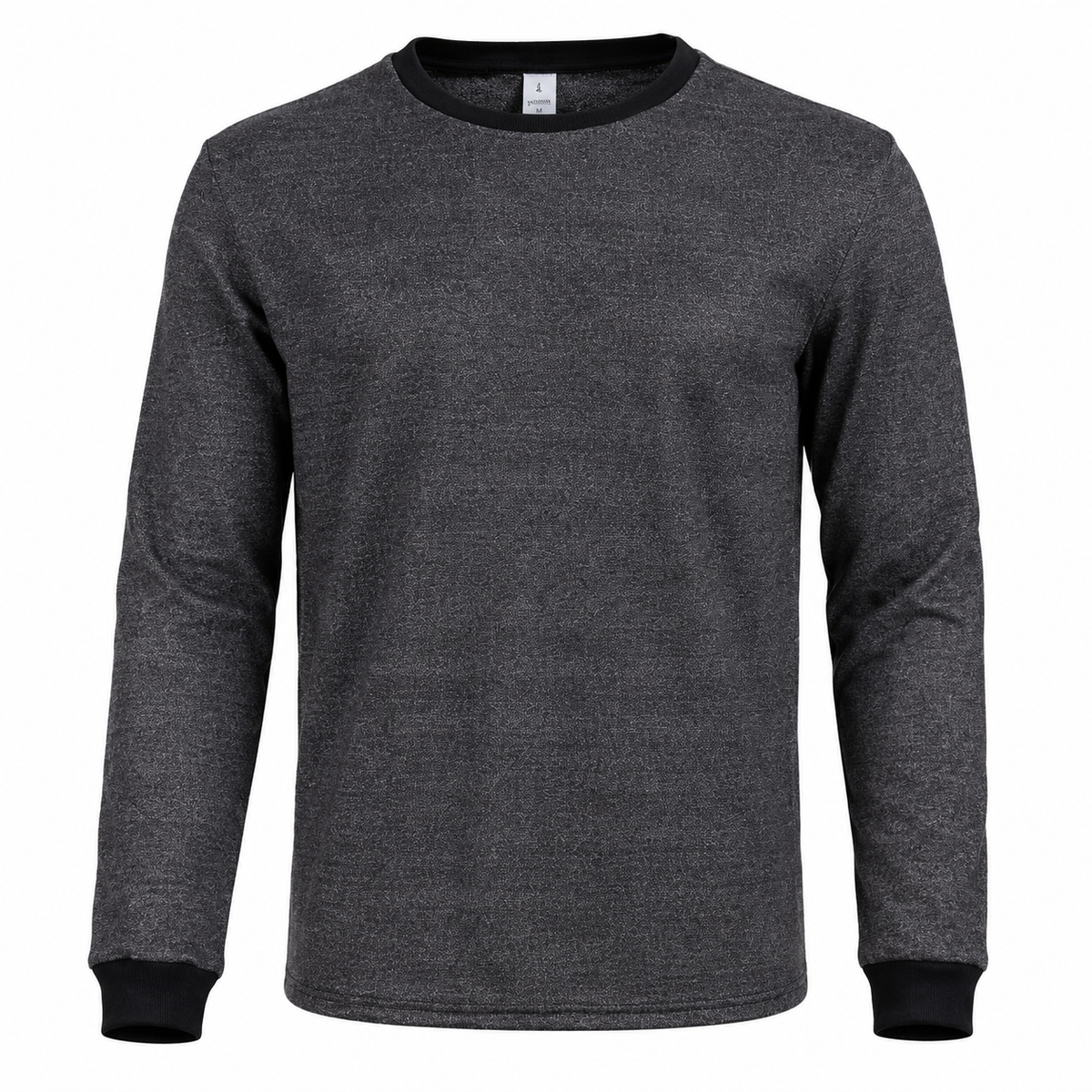
CLIPEUS offers a dark-grey long-sleeve protective shirt made in Korea with lightweight high-strength knit fabric. The product page lists EN 388 Cut Level 5 and Puncture Resistance Level 4, along with a breathable and flexible construction.
Four checks before choosing protective innerwear
1. Confirm the tested resistance level
Use the level stated on the individual product page. Do not assume every garment described as protective has the same test result or protects against the same hazard.
2. Match coverage to the task
A vest concentrates coverage around the torso. A long-sleeve shirt also covers the arms. More coverage is not automatically better for every job; heat, movement, machinery, and other required equipment must be considered.
3. Check fit and layering
Protective innerwear should be evaluated with the clothing and equipment worn over it. A fit that restricts movement, bunches under outerwear, or interferes with other PPE may not suit the task.
4. Read the limitations
Cut-resistant and puncture-resistant do not mean “cut-proof,” “stab-proof,” or guaranteed protection. Performance can vary with the object, force, angle, wear, fit, and condition of the garment.
How to use a protective shirt in a layered safety plan
- Identify the specific sharp-edge or puncture hazard.
- Reduce or isolate the hazard wherever possible.
- Follow the employer’s required PPE and work procedures.
- Add protective innerwear only when it is compatible with the task and other equipment.
- Inspect the garment and follow the product’s care guidance.
Frequently asked questions
Is a cut-resistant shirt the same as a stab-proof shirt?
No. Search phrases such as “stab proof shirt” are often used broadly, but cut resistance and puncture resistance describe different hazards. Use the verified wording and test information for the individual product.
Can protective innerwear guarantee that an injury will not occur?
No. It is designed to help reduce injury risk, not guarantee complete protection. It is not bulletproof and should never be deliberately tested while worn.
Who may consider a long-sleeve protective shirt?
Workers in industrial, warehouse, delivery, and security settings may compare it with other protective layers, subject to their workplace risk assessment and PPE requirements.
Review the verified product details
When comparing cut resistant clothing, focus on the stated test levels, coverage, fit, construction, and limitations rather than absolute marketing claims.