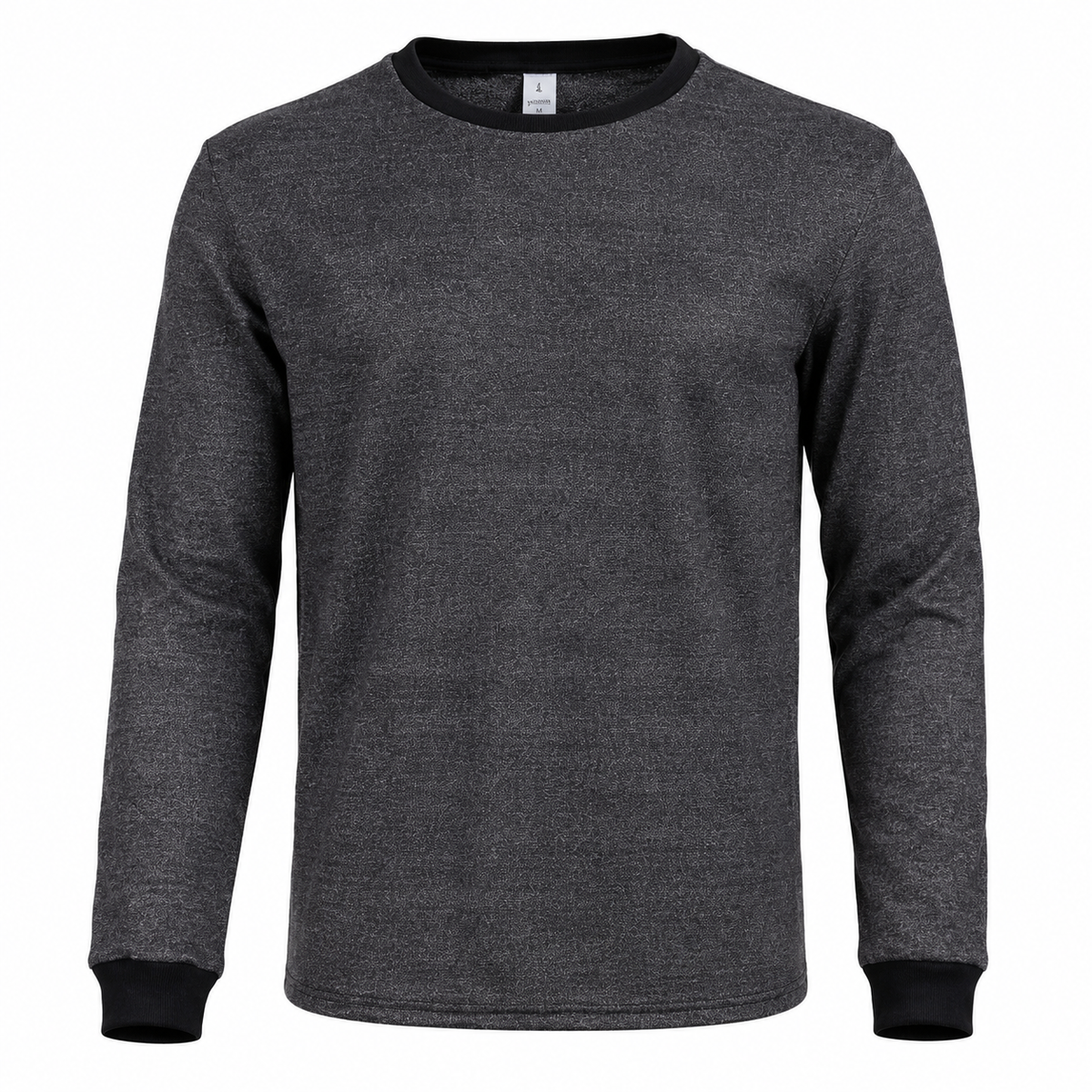
A protective undershirt and a cut-resistant vest are not always two different products. “Protective undershirt” describes how a garment is worn as a discreet inner layer, while “vest” describes its sleeveless shape. For daily wear, the better choice depends on the coverage you need, how you plan to layer it, and the verified test information for the specific garment.
What is a protective undershirt?
A protective undershirt is an inner layer designed to be worn beneath everyday clothing or workwear. The term describes the garment’s role, not a universal performance level. Buyers should check the product page for tested ratings, coverage area, material, fit guidance, and limitations rather than relying on the word “protective” alone.
What is a cut-resistant vest?
A cut-resistant vest is a sleeveless garment made with material intended to resist cutting hazards. A vest can also function as protective innerwear when its construction and fit support layering. Sleeveless construction focuses coverage on the torso and leaves the arms uncovered, which may provide more freedom of movement than a long-sleeve layer.
Protective undershirt vs cut-resistant vest: the key differences
1. Wearing role versus garment shape
“Undershirt” explains where the layer sits in an outfit. “Vest” explains that the garment is sleeveless. A single garment can fit both descriptions. That is why product-specific specifications matter more than category names.
2. Coverage
A sleeveless vest covers the torso but not the arms. If your risk assessment calls for arm coverage, compare it with a long-sleeve option. More fabric does not automatically mean better protection: coverage, fit, condition, and verified test results all need to be considered together.
3. Layering and movement
A lightweight sleeveless layer may be easier to wear beneath a shirt, uniform, or jacket while allowing unrestricted arm movement. Comfort is personal, so review the size guide and intended fit before choosing.
Product example: The CLIPEUS Type 1 Cut-Resistant & Puncture-Resistant Vest is a dark-grey sleeveless protective layer made in Korea. Its product page lists flexible UHMWPE knit fabric, EN 388 Cut Level 5, and EN 388 Puncture Level 4, with sizes M through 2XL currently shown.
How should you compare protective clothing?
- Start with the hazard: cutting and puncture risks are different, so check each verified rating separately.
- Match coverage to the task: a sleeveless vest centers coverage on the torso; it does not protect exposed arms.
- Check fit and condition: performance can vary with fit, wear, the object involved, force, and conditions of use.
- Read the actual test information: a category name such as “stab resistant clothing” or a search phrase such as “knife proof clothing” should never replace product-specific evidence.
- Plan the full outfit: verify that the layer works with your uniform, outerwear, movement, and workplace requirements.
What the CLIPEUS Type 1 vest does—and does not claim
CLIPEUS describes the Type 1 vest as cut-resistant and puncture-resistant protective innerwear designed to help reduce injury risk. The product is lightweight, breathable, flexible, and made in Korea. It is not bulletproof, does not provide 100% protection, and does not guarantee prevention of injury. No protective garment should replace appropriate training, workplace controls, or task-specific personal protective equipment.
For more context on rating terminology, read What Does EN 388 Cut Level 5 Mean for a Cut-Resistant Shirt?.
Frequently asked questions
Can a cut-resistant vest be worn as an undershirt?
Yes, if the individual product is designed for layering and fits correctly beneath the intended clothing. Check its construction, size guide, and product instructions.
Does a sleeveless vest protect the arms?
No. A sleeveless garment covers the torso area it physically covers; exposed arms remain outside that coverage.
Is cut resistance the same as puncture resistance?
No. They address different mechanical hazards and should be evaluated through the specific ratings stated for the product.
Does “stab proof vest” mean complete protection?
No. “Stab proof vest” is a common search phrase, but “proof” can imply an absolute guarantee. Review the manufacturer’s tested claims, limitations, coverage, and intended use instead.
Choose the layer that matches your needs
If torso coverage, discreet layering, and sleeveless mobility fit your requirements, review the verified specifications, fit, and safety limits of the CLIPEUS Type 1 Cut-Resistant & Puncture-Resistant Vest before deciding. Always choose protective clothing as part of a broader, task-specific safety plan.